If you experience tinnitus — a ringing, buzzing, or other sound that doesn’t seem to be caused by an external source — you’re not alone.
Tinnitus affects 740 million adults worldwide. For many, it disrupts sleep and makes focusing difficult. And for some, it can even be debilitating.
The good news? Effective tinnitus treatment options do exist.
We can help you understand your choices and support you on your path to relief from tinnitus stress.
What Causes Tinnitus?
Tinnitus is a symptom, not a disease. It’s linked to many health issues, from high blood pressure to head injuries, so the cause might be elusive. Common causes include:
- Age-related hearing loss
- Exposure to loud noise (such as from loud music or occupational settings)
- Certain medications (like some antibiotics or high-dose aspirin)
- Stress, fatigue, or anxiety
Less common causes are ear infections, temporomandibular joint problems, and cardiovascular issues.
How Is Tinnitus Diagnosed?
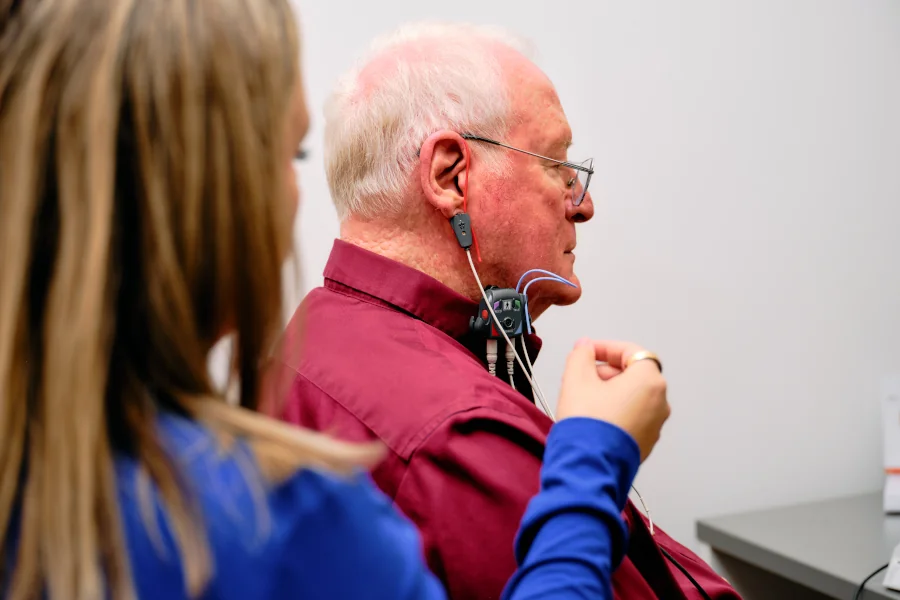
We review your medical and hearing history, discuss your lifestyle — especially what might be causing you stress — and perform a comprehensive hearing evaluation.
Why a hearing evaluation? In 90% of tinnitus cases, hearing loss is also present. That’s why hearing devices are such a common and effective part of tinnitus-management plans.
Plus, our thorough assessment allows us to determine whether your tinnitus is linked to a more serious condition, which helps inform your personalized treatment plan.
What Are Some Tinnitus Treatment Options?
There is currently no cure for tinnitus. We help minimize your awareness of the sound and eliminate your stress response to it.
This is why tinnitus treatment is often called tinnitus management instead: The right tools and processes let you skillfully manage how tinnitus affects your life.

Hearing Aids
Most people with tinnitus also experience some degree of hearing loss. Hearing aids amplify the sounds in your environment, which can help reduce your awareness of your tinnitus, improving your overall listening comfort.
Sound Therapy
Sound therapy reduces your awareness of your tinnitus. White noise machines, smartphone apps, and other tools can help mask the sound.
Today’s advanced hearing aids often include tinnitus-masking features, combining better hearing with customized sound therapy.
Tinnitus Retraining Therapy
Also known as TRT, this involves habituating your brain to your tinnitus sound. Our process is a combination of sound therapy and counseling, which alters the brain’s neural signals and weakens the perception of tinnitus, allowing you to live your daily life far more peacefully.
Emerging Technologies
We’re a New Mexico Lenire® provider, delivering proven, FDA-approved treatment that’s helping patients every day. This groundbreaking device provides lasting tinnitus relief and is the first and only tinnitus-treatment device of its kind approved by the FDA. You can learn more about this offering on our dedicated Lenire page.
Auditory training programs, such as Lace AI Pro, offer structured exercises designed to help your brain learn to filter and interpret sound more effectively. This retraining can reduce tinnitus perception over time and enhance your communication skills.
Lifestyle and Home Strategies
Simple adjustments to your daily life can powerfully complement professional care:
- Manage stress through relaxation exercises or mindfulness practices.
- Protect your ears from excessively loud environments.
- Maintain healthy and consistent sleep habits.
- Limit caffeine and alcohol if they seem to worsen your ringing.
When to Seek Care Immediately
Tinnitus is usually manageable, but certain signs require your prompt attention:
When to Seek Care Immediately
Tinnitus is usually manageable, but certain signs require your prompt attention:
Frequently Asked Questions
Relief Is Possible
The right combination of professional care, advanced technology, and support can make a profound difference.
Contact us today. Every step brings you closer to greater comfort, clearer hearing, and improved overall hearing health.